Exploring Dietary Components and Essential Micronutrients for Male Nutritional Well-being

A comprehensive educational resource dedicated to understanding the role of vitamins, minerals, and dietary components in supporting optimal male health and wellness.

Explore the Topic

Understanding Nutritional Science

The human body requires a complex array of micronutrients to function optimally. These essential components—vitamins, minerals, and other bioactive compounds—work synergistically to support energy production, immune function, hormonal balance, and overall physiological processes specific to male health.

This resource provides research-informed educational content about how dietary components contribute to male nutritional well-being. We explore the science behind various nutrients, their dietary sources, and their roles in supporting healthy life choices.

Educational content only. No promises of outcomes.

Scientific laboratory setup with nutritional research equipment
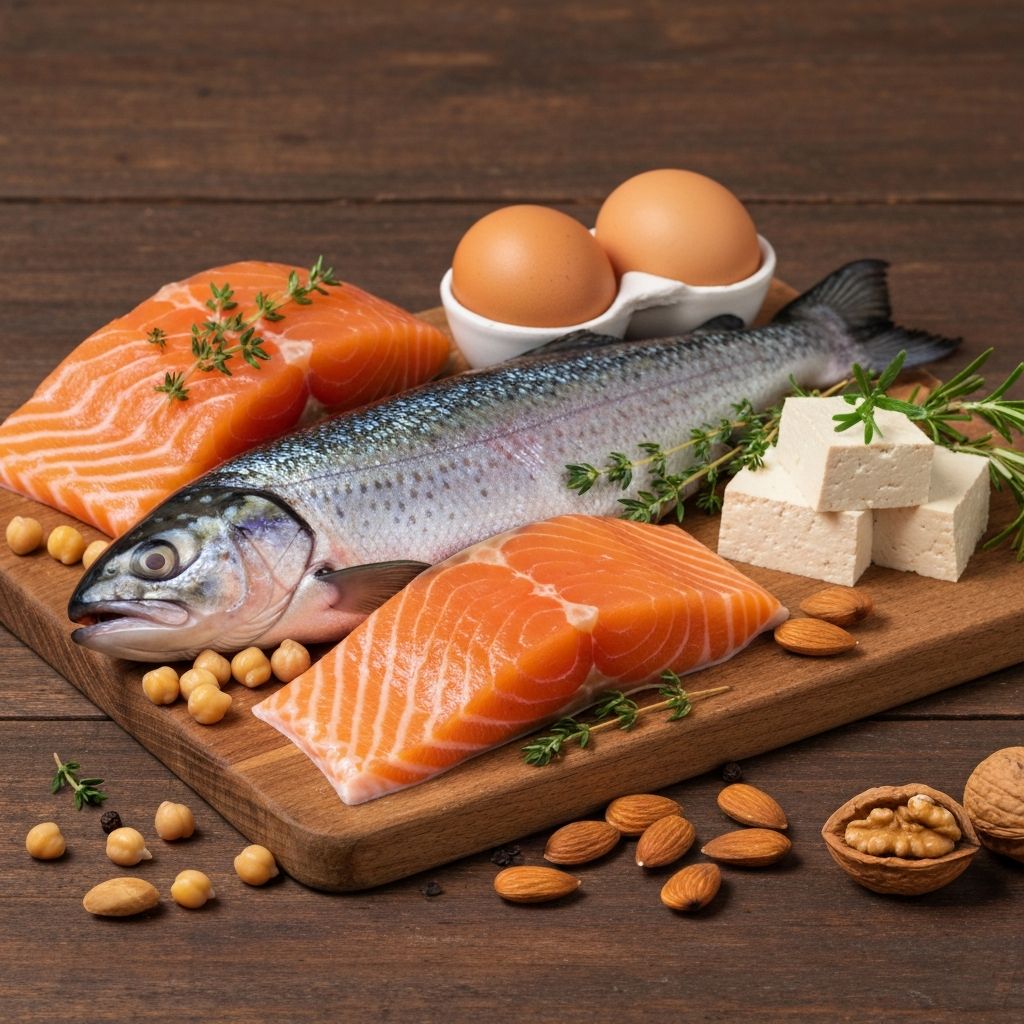
Array of protein-rich foods arranged on wooden surface

Protein and Amino Acids

Proteins are essential macronutrients composed of amino acids, the building blocks for muscle tissue, enzymes, hormones, and immune components. For male health, adequate protein intake supports muscle maintenance, recovery, and various physiological functions.

Quality protein sources include:

  • Lean fish and seafood
  • Poultry and eggs
  • Legumes and legume-based products
  • Nuts and seeds
  • Whole grains and pseudocereals

The diversity of protein sources ensures a varied intake of amino acids and complementary micronutrients.

Essential Minerals and Their Functions

Minerals are inorganic elements that play structural and regulatory roles throughout the body.

Iron

Essential for oxygen transport in blood and energy production. Male nutritional requirements differ from females due to different loss mechanisms.

Zinc

Crucial for immune function, protein synthesis, wound healing, and reproductive health. Particularly important for male physiological processes.

Magnesium

Supports muscle function, energy production, and nervous system regulation. Involved in over 300 enzymatic reactions in the body.

Calcium

Structural component of bones and teeth, and plays regulatory roles in muscle contraction and nerve transmission.

Food Categories and Nutrient Density

Understanding which foods provide the highest concentration of micronutrients helps optimize dietary choices.

Vegetables and Fruits

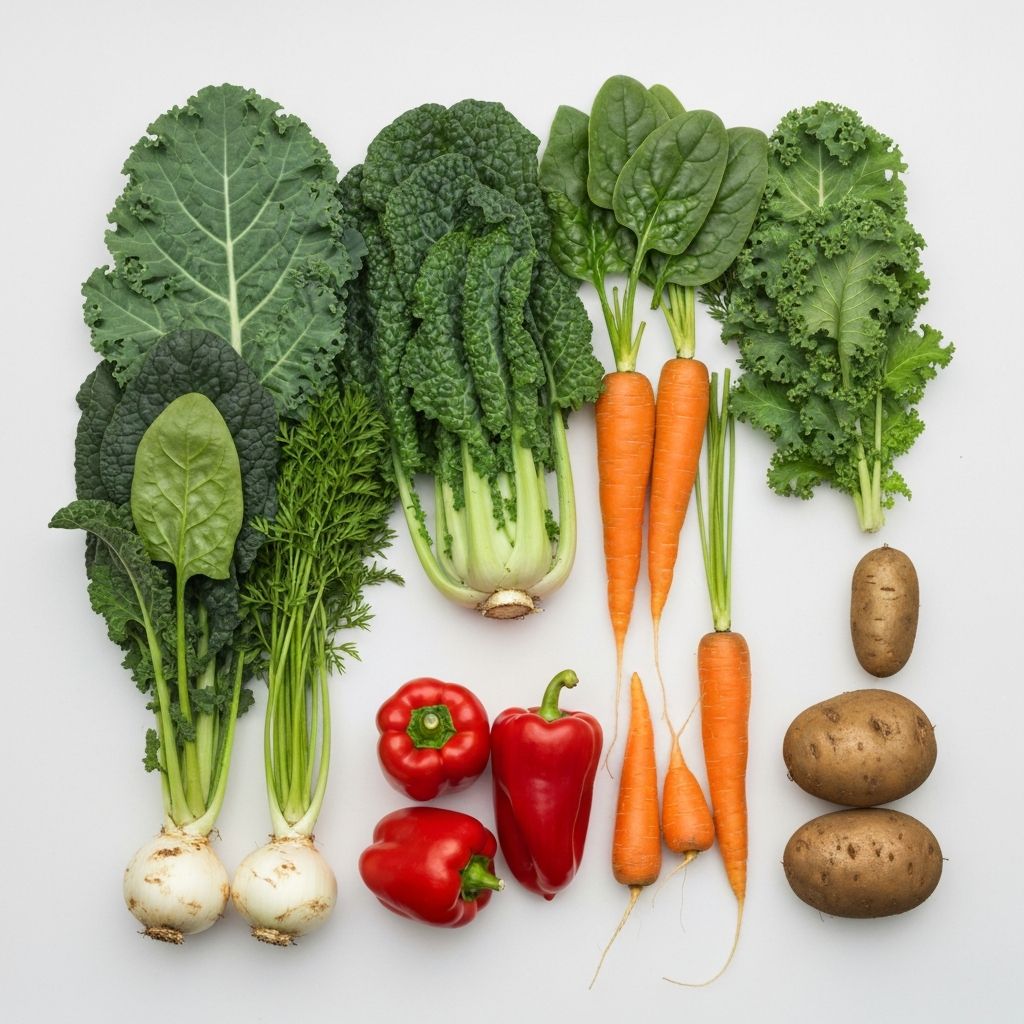
Rich in vitamins A, C, K, folate, potassium, and protective phytonutrients. Variety in color indicates diversity of compounds.

Whole Grains and Legumes

Provide B vitamins, minerals (magnesium, iron, zinc), fiber, and plant-based proteins. Support sustained energy and digestive health.

Healthy Fats

From nuts, seeds, fish, and plant oils. Facilitate absorption of fat-soluble vitamins and support cellular function.

Diverse array of fresh colorful vegetables arranged overhead